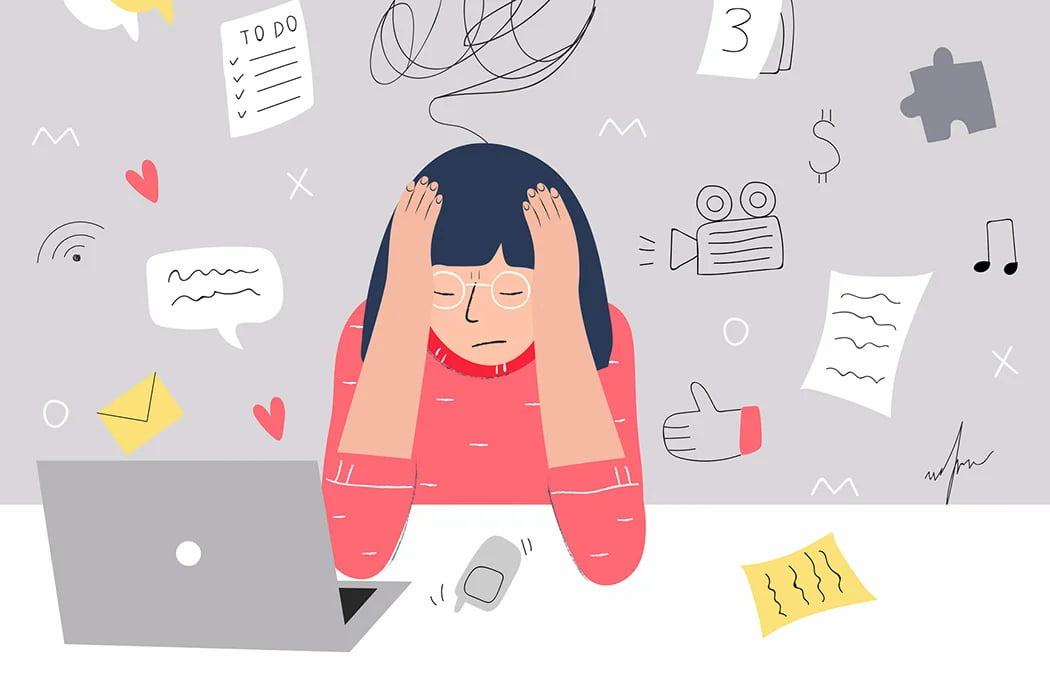
Attention deficit hyperactivity disorder is a common condition for millions of people. It is more common in children, although if it is not caught and managed while younger, the symptoms can continue into adulthood.
Common symptoms include the inability to focus, hyperactivity, and impulsivity, and these can show up in a number of ways and impact an individual’s work, school, family, and social life. Because of this, many people seek out ADHD products for adults or children with the goal of managing symptoms. Medication, such as Adderall, is commonly prescribed. However, there are natural remedies that work effectively as well.
Ability To Focus
One of the most common symptoms is difficulty focusing or paying attention. The goal of medicine like Adderall is to increase certain chemicals in the brain to improve focus and decrease impulsivity. Although Adderall may help with attentiveness, there are many downfalls to the medication.
As with all over-the-counter and prescription drugs, Adderall has associated side effects. Some of the common ones include:
– Dizziness
– Headaches
– Stomach discomfort
– Decreased appetite
– Insomnia
– Nervousness
For some people, side effects may be more severe. These include hallucinations, growth reduction, heart issues, skin rashes, and psychiatric problems. People who stop taking the medication also often have withdrawal symptoms.
Because of the side effects, some parents look for natural alternatives. Behavioral therapy is an effective option. A therapist works with children who have ADHD and help them identify difficult situations and figure out strategies to change their behaviors when dealing with them.
Other therapies that work well, either on their own or in conjunction with medication, are parenting skills training, social skills training, psychotherapy, and family therapy.
There is also homeopathic medication for those who want to forgo dangerous prescriptions. These homeopathic remedies are made with natural ingredients, so there are no side effects, and they work with the brain to improve symptoms.
Mood Swings
Mood swings are also common in those with ADHD. It is common for individuals to get frustrated from not being able to concentrate, which can result in a change in mood. Mood swings are also potential side effects for those taking Adderall and other prescription ADHD meds.
There are various ways to cope with ADHD-related mood swings. These include:
– Diet changes, such as avoiding artificial flavors, dyes, and sweeteners
– Consistent sleep schedule
– Regular exercise
– Stress management techniques
– Organizational skills
– Shifting focus
Therapy can also help one manage mood swings. So can homeopathic remedies. A common question that many parents have is: Can you take Brillia with ADHD medication?, the answer is yes. This is common when parents are not ready to stop the ADHD medication, or they do not want to increase the dosage.
Although ADHD medication can be dangerous when taken with many other medications, Brillia has no contraindications, which means it can be taken in conjunction with other prescriptions.
Using Brillia either with ADHD meds or on its own works most effectively when the user makes certain lifestyle changes to be healthier and less stressed in general.
Read Also
- Levels of Mental Health Care and When to Seek Support
 Mental health care can range from occasional outpatient appointments to 24-hour hospital treatment. The appropriate level depends on safety, symptom severity, daily functioning, medical needs, available support, treatment history and personal preferences. A licensed clinician should assess these factors rather than relying on a symptom list alone. Need help now? In the United States, call… Read more: Levels of Mental Health Care and When to Seek Support
 - How to Choose a Shilajit Brand Based on the ResearchIn a randomized trial published in the Journal of the International Society of Sports Nutrition in 2019, 63 active men took 250 mg of standardized shilajit, 500 mg, or a placebo every day for eight weeks, and the benefit for strength retention after a fatiguing workout appeared only at 500 mg. For anyone choosing a… Read more: How to Choose a Shilajit Brand Based on the Research
- How to Incorporate Relaxation into Your Busy ScheduleFinding balance when you have a packed daily agenda often feels out of reach. Between work duties, family obligations, and personal projects, personal rest usually gets pushed to the bottom of the list. Small, intentional shifts in daily habits can help restore calm without requiring hours of extra free time. Continue reading to discover everything… Read more: How to Incorporate Relaxation into Your Busy Schedule
- Red Light Therapy for Skin and Wellness: Meet Vital Red Light TherapyModern wellness is not always about complicated treatments or long routines. Many people are now looking for simple, convenient ways to support their skin, recovery, and overall wellness at home. One technology getting more attention is red light therapy. Red light therapy uses specific wavelengths of red and near-infrared light to support the body’s natural… Read more: Red Light Therapy for Skin and Wellness: Meet Vital Red Light Therapy
- Managing Shock Loss After a Hair Transplant: The Financial and Clinical Imperative of Post-Op CareIn the rapidly evolving landscape of private healthcare, executive leadership within cosmetic and restorative surgery clinics faces a dual challenge: maintaining strict clinical standards while maximizing patient lifetime value (LTV) and brand advocacy. As the global medical tourism and elective procedure markets expand, clinical outcome quality alone is no longer the sole differentiator for premium… Read more: Managing Shock Loss After a Hair Transplant: The Financial and Clinical Imperative of Post-Op Care